
Waste Incineration: The impact of Emission Trading Scheme

Emission Trading Scheme Impacts Waste Industry 

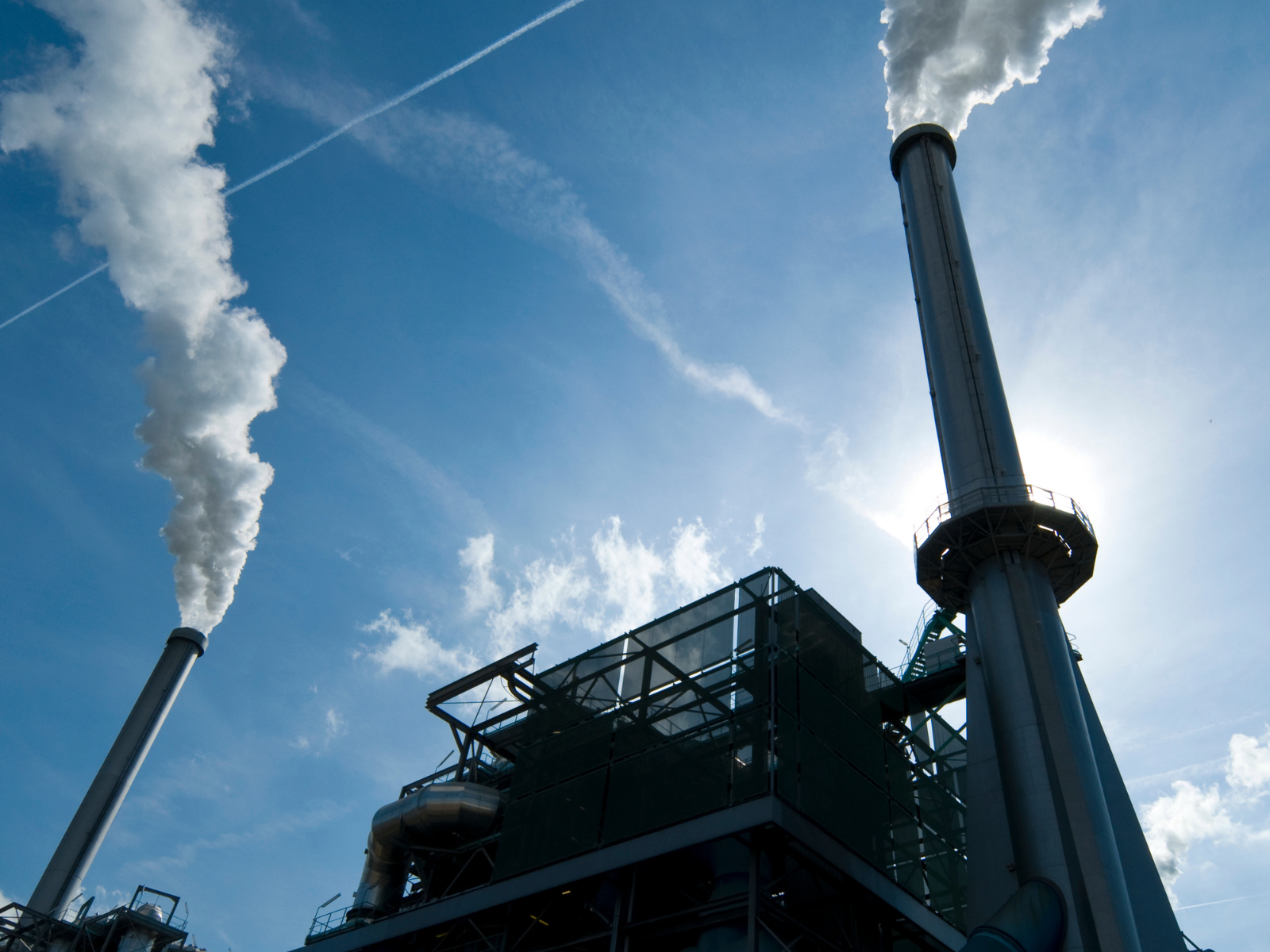
Energy from Waste (EfW) operations will join the Emission Trading Scheme (ETS) in 2028. This inclusion covers the burning of fossil materials by all waste incinerators and establishes a deadline for a significant increase in disposal cost for waste producers that fail to improve their waste management practices. 

The Inclusion of EfW within the UK Emission Trading Scheme (ETS) is being driven by the UK Emission Trading Scheme (ETS) Authority (comprising the Scottish Government, Welsh Government, the Department of Agriculture, Environment and Rural Affairs for Northern Ireland, and UK Government), with the stated aim to decarbonise the sector by providing an incentive for industry to adopt decarbonisation technologies”  

Waste transfer stations face the challenge of adopting alternative processing methods as well as finding alternative disposal routes for residual waste. This helps reduce their exposure to increased costs. The reality is that this this is unlikely and the burden will fall to the waste producer. 
 

Waste Incineration : The impact of Emission Trading Scheme

Developing effective processes

Developing new, cost-effective processes to segregate, store, and transport additional waste off-take routes will be important for producers of waste. This will help them avoid the inevitable increase in waste costs. Processing waste appropriately, rather than incinerating it, helps reduce overall waste costs and supports a lower carbon footprint.

The Emission Trading Scheme ETS is part of the government’s move to drive further waste segregation and is set to be as ground breaking as the introduction of the landfill tax in 1996. If gate fees to incineration facilities increase by £40 per tonne a proportion of this will pass through to the producers of waste that fail to segregate and continue to send mixed waste.  Transfer stations that lack the technology to adequately separate and rely on incineration will face unsustainable financial pressure. This scenario may push some waste companies out of business as incineration becomes economically unviable. 

The hope is that this will be the incentive for more and better recycling of more difficult waste streams, 

Business as usual 

larger material recycling facilities (MRF)  with good technology will have the means to invest in additional processes and enjoy sufficient volume of these smaller waste types to manage the change. Smaller transfer stations will not be able to absorb the increased gate fees and will not be able to pass on the increased cost for fear of becoming uncompetitive. Business as usual for the next few years perhaps…. 

Why optimise now:  

  • Unlock immediate cost and carbon savings. 
  • Confirm disposal routes well in advance, offering reassurance.
  • With a strong shift towards net zero and upcoming legislative changes, many businesses now must report on Scope 3 emissions. This necessitates minimal carbon emissions from their waste.
  • We also must consider that the government has pledged to halve the biodegradable waste sent to landfill by 2028. 
  • Waste export costs will rise due to the implementation of the ETS in Europe ahead of the UK.  

Improved recycling and segregation: enhanced reporting  

Beyond the financial pressures of incineration facilities joining the Emission Trading Scheme (ETS), the regulatory landscape imposes additional financial burdens on material recycling facilities. These burdens come in the form of changes to the regulatory landscape.

From 1st Oct 2024 Material Facilities (MF)  are required to conduct input and  output sampling to measure the quantities of materials that are:  

  1. recyclable within the facility (Target) 
  2. recyclable elsewhere  (non-Target) 
  3. non-recyclable (Non-Recyclable) 

Consequently, this is placing further pressure on waste producers to provide individual segregated streams. 

Recommendations  

Businesses will benefit by becoming smarter and more aware of the waste they produce and how to recycle it. Segregating at the point of creation creates more options for diversion from incineration. 

This proactive approach allows businesses to lower waste costs and minimise their carbon footprint. By effectively isolating and removing recyclable materials from the waste stream, companies can achieve greater efficiency and better returns. This is where expert partners, like Red Kite Recycling, can play an important role in your waste innovation. We provide free waste audits to identify inefficiencies and opportunities for improving waste processes, helping businesses to adapt to the changing landscape. 

Managing Hazardous Waste in Construction

In the construction industry, managing waste is not just a regulatory requirement but also ethically important. Among the various types of waste generated, hazardous waste poses a unique set of challenges. This means that managing hazardous waste in construction needs to be handled carefully and that it should be segregated from non-hazardous waste. In the UK, the construction sector is a significant contributor to hazardous waste. This can include materials like asbestos, solvents, batteries, electronic waste, paints and mastics. This blog will delve into the complexities of hazardous waste management in construction and illustrate how Red Kite Recycling can assist in navigating these challenges.

Hazardous Waste

Understanding Hazardous Waste

Hazardous waste is defined by its potential to harm human health or the environment. According to the Environment Agency, waste that contains harmful substances falls under this category. For construction sites, this can include:

  • Asbestos: Often found in older buildings, asbestos is a known carcinogen that requires special handling and disposal methods.
  • Chemical Solvents and Paints: Many construction materials contain volatile organic compounds (VOCs) that can emit harmful vapours. For example, Silicon mastic tubes are considered hazardous until fully cured; only then can they be treated as non-hazardous.
  • Lead: Found in old paint, plumbing materials, and some types of roofing, lead exposure can be harmful, particularly to children and pregnant women. Furthermore, the use of lead in construction has been heavily regulated, but proper disposal of lead-based materials remains an important concern.
  • Electrical Equipment: Fluorescent tubes and batteries contain hazardous materials that must not be disposed of with general waste.
  • Tyres and Plasterboard: Tyres release harmful chemicals when disposed of improperly, while gypsum based plasterboard when mixed with biodegradable materials can produce hydrogen sulfide, a toxic gas. Thus regulation now requires segregation .
  • Contaminated Soil: Construction sites may encounter soil contaminated with pollutants from previous industrial activities, necessitating careful management to prevent environmental degradation.
  • Persistent Organic Pollutants (POPs): POPs pose a threat to human health and the environment. This is because of their long-lasting nature and ability to spread through air, water, and wildlife. POPs are found in items such as upholstered domestic seating, and electrical devices containing chemicals such as polychlorinated biphenyls (PCBs) and dioxins.

Hazardous Waste

The Legal Framework

The Hazardous Waste Regulations 2005 govern the management of hazardous waste, requiring tracking of all hazardous waste from its point of origin to its final disposal. Non-compliance can lead to hefty fines and legal action, making it imperative for construction companies to implement  waste management plans and controls with robust compliance a pre requisite.


Disposal through Licensed Facilities

It is important that you dispose of all hazardous waste at licensed facilities registered to handle such materials safely.


The Importance of Effective Segregation

One of the key challenges in managing hazardous waste is the need for effective segregation. Mixing hazardous with non-hazardous materials can render all of the waste as hazardous incurring additional costs. Each construction site will have unique waste streams that necessitate tailored waste management solutions.

Proper segregation of non-hazardous waste not only ensures compliance with regulations but also maximises recycling opportunities. Moreover, in the UK, the construction sector has made significant strides in improving recycling rates. However, the challenge remains significant. The Environment Agency reports that the industry currently recycles only about 40% of construction waste. This is leaving vast potential for improvement of segregation of hazardous waste required by law.


Red Kite Recycling: Your Partner in Hazardous Waste Management

Managing Hazardous Waste in Construction

Red Kite Recycling has the experience needed to manage hazardous waste streams for construction projects across the UK. Our knowledgeable team understand the intricacies of hazardous and non-hazardous waste management for construction sites, offering solutions tailored to meet the unique needs of each project.


Comprehensive Waste Audits

Before beginning any construction project, an understanding of the project and waste streams is essential. Red Kite Recycling provides Free Waste Audits to identify the types of waste that will be generated. We will then assess the most efficient ways to segregate, handle, and dispose of hazardous materials. This proactive approach ensures that you comply with regulations while optimising waste management costs.


Collaboration with Local Recyclers

Red Kite Recycling collaborates with some of the best local recyclers, minimising haulage costs and enhancing customer service. Furthermore, we ensure compliance with all UK regulations when disposing of hazardous materials. Consequently, this can significantly reduces the risk of environmental contamination and will support your company’s sustainability credentials.


Real-Time Reporting

Our online portal allows accurate reporting and visibility of your waste management processes. Furthermore, this transparency enables all parties involved to have access to waste data. This facilitates better decision-making and ensures that your project remains compliant with environmental regulations.


Conclusion

The management of hazardous waste in construction is not just a regulatory obligation; it is a crucial component of ethical and sustainable building practices. By understanding the types of hazardous waste generated, adhering to the regulatory framework, and implementing robust waste management practices, construction companies in the UK can contribute to a healthier environment and meet their corporate social responsibility goals.